

Fun Factory Vintage Trains
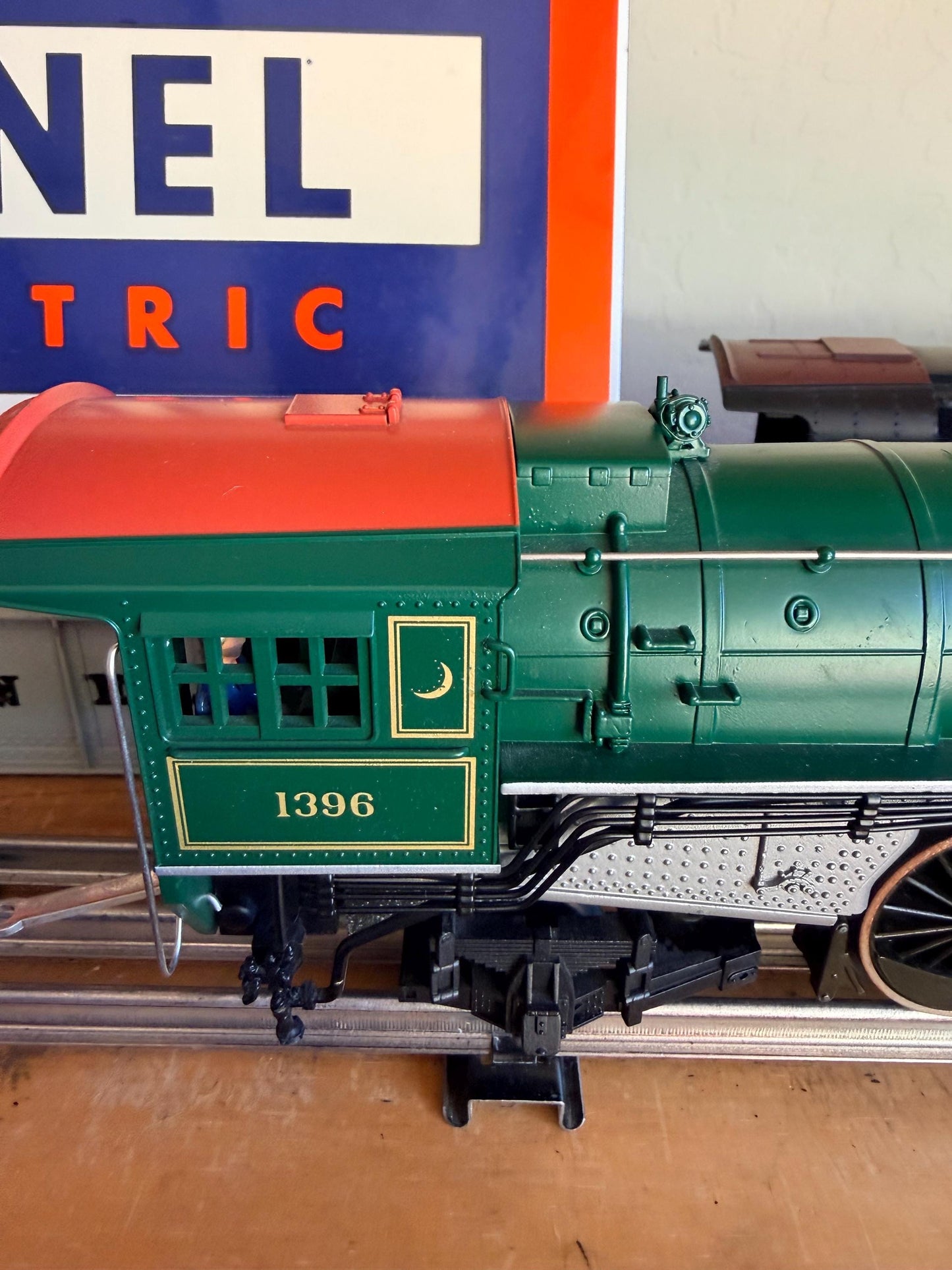
Southern 4-6-4 Hudson Steam Engine w/Proto-Sound 2.0 30-1363-1
Southern 4-6-4 Hudson Steam Engine w/Proto-Sound 2.0 30-1363-1
Couldn't load pickup availability
MTH Warehouse preproduction sample. Variations from production may exisit. Review pictures and video. No Box. BCR installed to ensure reliable operations. Excellent working condition. Tested and serviced.
Features
- Die-Cast Metal Chassis - Metal Wheels and Axles - Precision Flywheel Equipped Motor - Metal Handrails and Decorative Bell - Decorative Metal Whistle - Operating Marker Lights - Die-Cast Boiler and Tender Body - Constant Voltage Headlight - Die-Cast Truck Sides - Colorful Paint Scheme - Remote Controlled Proto-Couplerr - Synchronized Puffing ProtoSmoker System - Locomotive Speed Control - Engineer Cab Figure - Proto-Sound 2.0 With The Digital Command System Featuring:- Passenger Station Proto-Effects - Unit Measures:20 3/4" x 2 1/2" x 3 5/8" - Operates On O-31 Curves. Operates in CONVENTIONAL OR COMMAND MODE with any transformer. DCS control requires appropriate components on your layout.
New York Central and ALCO built the Hudson in 1927 to serve as a powerful and fast passenger engine along the railroad's famed "Water Level Route." The Hudson was such an immediate and enormous success that other railroads quickly copied its combination of large drivers and fireboxes to boost their own high-speed passenger service. Other railroads, such as the Santa Fe, which used a Hudson to pull a mail train the 2227 miles from Los Angeles to Chicago without changing engines, also found that the 4-6-4 arrangement made for a fast moving, long hauling engine. The Hudson was an unqualified success, heading up glamorous name passenger trains for railroads across the country.
Did You Know? Although NYC gets the credit for the first Hudsons, it was actually the Milwaukee Road's designer C.H. Bilty that designed the first 4-6-4, which he called a "Baltic," in 1925. However, they delayed building the locomotive, and NYC got to claim the success.